Zero Line Upgrade Priority Tier List
What to buy first—batteries, propellers, antennas, night vision, and thermal—by game stage.
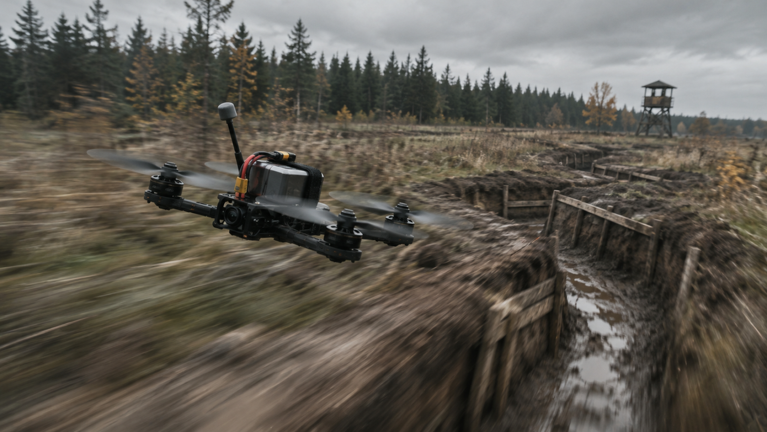
Cash disappears fast in Zero Line. You have three drones, a long 55-level climb, camo skins that beg to be unlocked, and a shop full of batteries, propellers, antennas, night vision, and thermal cameras. This page is the spend priority tier list: what to buy first, what can wait, and how the order changes from early to late game.
Use it beside the drone tier list so your modules match your role (gunfighter, kamikaze diver, or scout). For module details and tuning notes, open the drone upgrades guide. Daily and weekly missions plus the group +20% cash bonus are how you fund this plan without burning out—pair mission clears with the shopping lists below after you finish Getting Started.
Priority tiers at a glance
| Priority tier | Upgrade | Why it ranks here |
|---|---|---|
| S — buy first | Batteries | Flight time is everything; dead packs end dives and gunfights |
| A — buy early | Propellers | Speed, climb, and joust wins; turns okay pilots into threats |
| B — buy next | Antennas | Keep the feed alive on long commits and map edges |
| C — situational | Night vision / thermal cameras | Mandatory for scout and night missions; delay if you only dive daylight |
| D — after power | Camo skins / outfits | Fun and light concealment; never before core flight modules |
These letter tiers are shopping priority, not power level forever. A late-game scout without thermal is misbuilt even if batteries are maxed. A pure daylight diver can delay cameras longer than a mission grinder who plays after dark.
S priority — Batteries first
Batteries sit at the top for almost every account. Zero Line is an FPV kamikaze loop: launch, fight or dive, return or respawn, repeat. If your pack dies mid-approach on a truck or helicopter, you donate a free kill and waste the cash you just earned. Extra capacity also forgives learning mistakes while you practice lines from how to fly FPV.
Early game: Put the first serious cash into battery tiers before you chase camo. One extra minute of usable flight beats a skin you barely see in first person.
Mid game: Keep batteries ahead of vanity. When daily and weekly missions ask for multiple successful runs, endurance multiplies completion rate more than a tiny propeller bump.
Late game: Batteries still matter, but returns diminish once you can finish standard routes. Shift overflow into propellers, antennas, or role cameras while maintaining enough pack to contest long fights.
Role note: Divers need batteries so they can climb before committing. Gunfighters need them for extended air control. Scouts need them to loiter while thermal paints targets. Nobody escapes battery tax.
A priority — Propellers second
Propellers are the skill multiplier. Better props improve climb, strafe, and the speed you convert into kamikaze impact. In gunfights, props help you dictate angle and escape. On the drone tier list, both S-tier diver and A-tier gunfighter feel “unlocked” once props catch up to batteries.
Early: After one or two battery buys, grab the first meaningful propeller upgrade. You will feel the difference on takeoff and final dive pitch.
Mid: This is the big propeller window. Contested lobbies punish slow frames. Fund props before you stack every camera option.
Late: High-tier props separate pilots who almost hit helicopters from pilots who delete them. Still, do not starve antennas—speed without signal is a brick.
B priority — Antennas third
Antennas protect the most frustrating death in FPV games: black screen right before impact. Range and link stability let you chase trucks across the map, hold high scouting orbits, and finish gun tracks at the edge of contested airspace.
Early: A modest antenna upgrade is enough if you fight near spawn lanes. Do not max antennas before batteries.
Mid: Raise antennas as objectives spread out and missions send you farther. Pair with the habits in Getting Started so you know when you are pushing link limits.
Late: Antenna investment becomes critical for aggressive diver mains and edge-map gunfighters. Scouts who loiter also need stable feed while thermal does work.
If a patch changes signal rules, re-check this B tier—antennas can jump to A overnight when link drops spike.
C priority — Night vision and thermal cameras
Night vision and thermal are the scout identity and the night-mission tax. They are C on a pure cash-efficiency chart for daylight kamikaze farmers, and A-equivalent the moment your weekly board cares about dark targets or hidden vehicles.
When to buy sooner:
- You main the scout role from the drone tier list.
- Missions explicitly reward spotting or night clears.
- Lobbies play after lighting changes and you keep missing trucks everyone else “somehow” sees.
When to delay:
- You only dive obvious daylight targets.
- Batteries and props are still starter-tier.
- You have not joined the group for +20% cash yet—fix that free multiplier before camera splurges.
Deep module explanations live in the drone upgrades guide. Rule of thumb: cameras convert information into kills; they do not replace a dead battery.
D priority — Camo skins and outfits
Camo drone skins and outfits unlock across progression and look sharp on the 55-level climb. They can make first acquisition slightly harder for enemy eyes, especially for scouts cresting ridges. They do not outrank flight modules. Buy cosmetics with surplus after S/A/B priorities, or when a skin is a personal goal that keeps you logging in for missions.
Early / mid / late shopping lists
Early game shopping list (first hours)
- Join the Pushpin / Zero Line group for +20% cash.
- Battery upgrade #1–2.
- Propeller upgrade #1.
- Small antenna bump if you already lose feed near objectives.
- Skip thermal until a mission demands it.
- Clear easy daily missions before boutique skins.
Goal: survive long enough to learn FPV lines. Cross-train with how to fly FPV instead of buying your way out of crashes.
Mid game shopping list
- Battery to a comfortable mission-clear level.
- Propellers to match your main role (diver or gunfighter).
- Antenna so mid-map fights stay connected.
- First night vision or thermal if weekly missions or scout play demand it.
- One camo you actually equip—not a full closet.
- Revisit the drone tier list and specialize spend.
Goal: convert cash into consistent truck / helicopter / drone deletes while finishing daily and weekly boards.
Late game shopping list
- Top off batteries only if routes still brown out.
- Max or near-max propellers for your main dive or gun kit.
- Antenna for edge plays and long scouting orbits.
- Finish NV + thermal if you flex scout or night grind.
- Cosmetics and alt-drone kits for the other two frames.
- Keep a cash buffer for patch-day emergency rebenches.
Goal: all three drones usable, missions trivialized, role swaps on demand.
Role-based spend modifiers
Kamikaze diver (S on drone list): Batteries → propellers → antennas → cameras last unless night dives are required.
Gunfighter (A): Batteries → propellers → antennas → cameras when fights leave daylight.
Scout (B): Batteries → antennas → NV / thermal → propellers close behind. A blind scout is a waste of a slot.
Always reconcile these modifiers with live prices in the lobby. If propellers are on sale or a mission packs battery rewards, pivot.
Missions, group cash, and not going broke
Daily and weekly missions are the scheduled income engine. Treat them as part of the upgrade plan: finish the board, then buy the next item on your stage list. Do not impulse-buy three cosmetic tiers mid-mission streak.
The +20% cash group bonus is free progression. Activate it before expensive antenna or camera sessions. Over a 55-level career that bonus funds entire module ranks you would otherwise grind raw.
If you are cash-starved, stop reading tier poetry and fly: short successful runs beat one cinematic failure. The Getting Started flow plus this priority list should get you stable income within a session.
Common spending mistakes
- Maxing camo before batteries.
- Buying thermal on a daylight-only diver while props are still stock.
- Ignoring antennas until a patch makes link drops meme-worthy.
- Spreading cash evenly across all three drones too early—main one role, then expand.
- Skipping drone upgrades notes and stacking the wrong module for your stick habits.
Patch honesty
Zero Line released 2026-10-20 and still iterates. If Pushpin Gaming retunes battery drain, propeller thrust, antenna range, or camera cost, this priority chart can shift one letter. Re-run your shopping list after notes: the framework (endurance → mobility → link → information → cosmetics) usually survives even when exact ranks wobble.
Related pages
- Drone tier list — which role to fund
- Drone upgrades guide — what each module does
- How to fly FPV — make upgrades matter
- Getting Started — missions, lobby, first buys
- Tier List Hub — all ranking pages
Spend with a plan, keep the group bonus on, clear missions before vanity, and your three drones will feel like weapons instead of expensive toys.
Frequently Asked Questions
Quick answers for Zero Line pilots.
What should I upgrade first in Zero Line?
Batteries first for flight time, then propellers for speed and dive power, then antennas for link range. Buy night vision or thermal when you scout or run night missions; save camo skins for surplus cash.
Are cameras ever worth buying early?
Yes if you main the scout role or weekly missions need night / thermal spotting. Otherwise delay cameras until batteries and propellers are comfortable.
Do camo skins help enough to buy before modules?
No. Camo is minor concealment and cosmetics. Fund batteries, propellers, and antennas first across your 55-level progression.
How do daily and weekly missions fit into upgrade priority?
Clear missions for cash, then buy the next item on your early, mid, or late shopping list. Missions are income; upgrades are the spend plan.
Does the group +20% cash change the tier list?
It does not reorder modules, but it speeds every tier. Join before big antenna or camera purchases so you waste less grind time.